Why did Hitler always stay up until 6 in the morning and sleep until the afternoon?
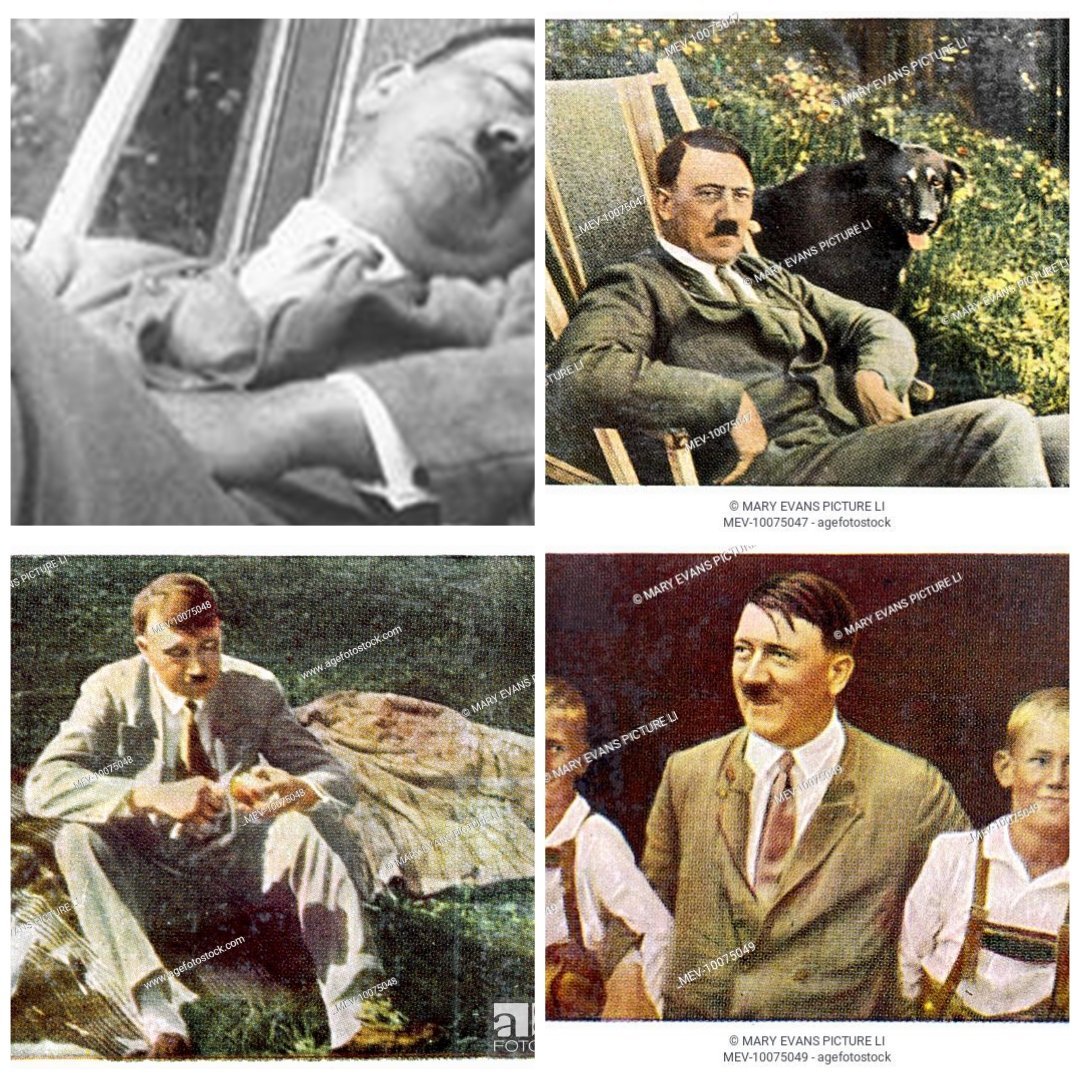
Hitler always stay up until 6 in the morning and sleep until the afternoon
Most world leaders spend their early morning hours doing briefing papers and breakfast meetings. To Adolf Hitler, bedtime was 6:00 AM. Such a reversed timetable was not merely an idiosyncrasy of habit; it was a hallmark of his kind of leadership, and a key to the ultimate failure of the Third Reich.
The reason why the moonlight was more acceptable to the sun by the Fuhrer can be reconstructed with the help of the testimony of Albert Speer, as well as medical records made by the doctor Theodor Morell. Hitler always stay up until 6 in the morning and sleep until the afternoon
The Temper of the Artist: the Theory of Speer.
Hitler never really lost his self-image of being a misunderstood artist as you have mentioned based on the memoirs of Albert Speer, Inside the Third Reich.
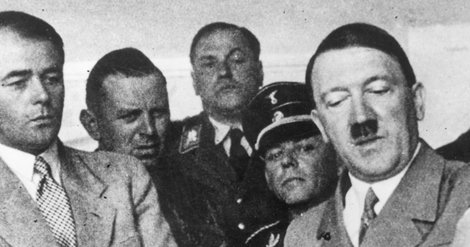
Creative Spontaneity: Speer noted that Hitler considered a strict 9-to-5 working day to be pedantic or bourgeois. He would wait until he had a flash of genius which he felt coming most of the time at night when he was alone.
The Bohemian way of life: He kept to the non-regular time of an afflicted artist in Vienna, in spite of being the head of state. This included long spells of apathy interspersed with manic outbursts of vitality–a pattern that is usual in artistic natures but fatal to army leaders.
Midnight Monologues in the Berghof.
Hitler had a social need which was one of the key factors of these late hours. The fear of sitting down to his own thoughts terrified him so that he employed the notorious “Berghof Tea Circles.”
Captive Audiences: Guests, secretaries and top officials were made to remain awake until 3.00 or 4.00 AM. They would sit in the Great Room of his mountain retreat and Hitler would give them hours of monologue. Hitler always stay up until 6 in the morning and sleep until the afternoon
Recycled Rhetoric: These were not arguments, but “same show” recitals. He would talk about his youth in the Nazi party, his opinions on vegetarianism or his history theories. Since he was the Fuhrer, nobody could dare to yawn or walk away, and that was what his bubble was, where Hitler could always feel that his brilliance was being ratified.
The Morell Effect: Insomnia caused by Chemicals.
Though Hitler was a night owl in the 1920s, his time schedule turned out to be dangerously irregular having met with Dr. Theodor Morell in 1936. Hitler always stay up until 6 in the morning and sleep until the afternoon
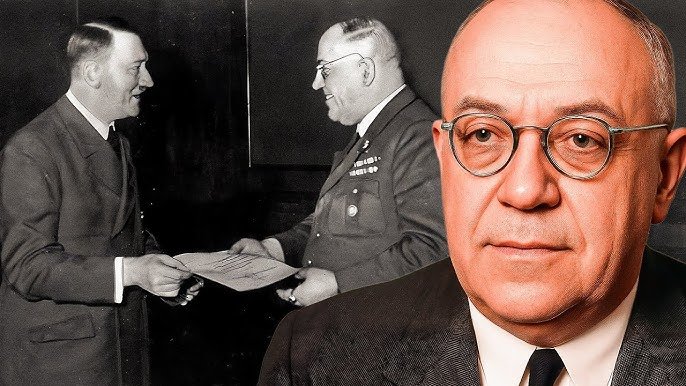
The Cocktail of Stimulants
At around the mid-war stage, Hitler was injected on a daily basis. These often included:
Pervitin (Methamphetamine): To provide him with the bursts of energy that Speer had referred to.
Eukodal (Oxycodone): To treat stomach pains and give a feeling of invincibility.
Barbiturates: To make his body close down as soon as the sun rose.
This chemical whiplash could not allow a normal circadian rhythm. He was practically dialed out the whole night and crashed out the whole morning. Hitler always stay up until 6 in the morning and sleep until the afternoon
The Pricing of Sleep: D-Day and the Panzer Divisions.
The sleep habits of Hitler had the most historical impact on the 6 th of June, 1944. This is the fun fact that you have talked about, however, in military terms, it was a disaster to the Axis.
The Normandy Invasion: When the Allies invaded in the morning, the German 7th Army was in a desperate need of the 12th SS Hitlerjugend and the Panzer Lehr divisions. Hitler always stay up until 6 in the morning and sleep until the afternoon
The “Do Not Disturb Policy: Hitler had slept down to bed at 5:00 AM, a late-night conversation. His subordinates, such as General Jodl did not even dare wake him. They had heard of the morning mood of Hitler–his mythical temper in being interrupted but they were more frightened at him than they were at the Allied invasion. Hitler always stay up until 6 in the morning and sleep until the afternoon
The Conclusion: By the time Hitler awoke at noon to give orders to the tanks to advance, the Allies had already obtained the beachheads. The pause was perhaps the most critical one tactical mistake in the war.
Psychological Reasons: A Fear of the Dark?
Psychologists have opined that Hitler was badly affected by insomnia which was associated with paranoia and anxiety of death.
Fleece Sleep: To him, sleep was a state of weakness. He could even keep his environment under control by keeping himself awake till the world was again active.
Pacing and Ruminating: The “pacing up and down” in your friend article portrays a man that is under a lot of pressure inside of him. Only the night allowed him to face his big imagine dreams without being interrupted by the stuttering war beyond.