What Did Hitler Hide About the German Defeat at Stalingrad?
German Defeat at Stalingrad
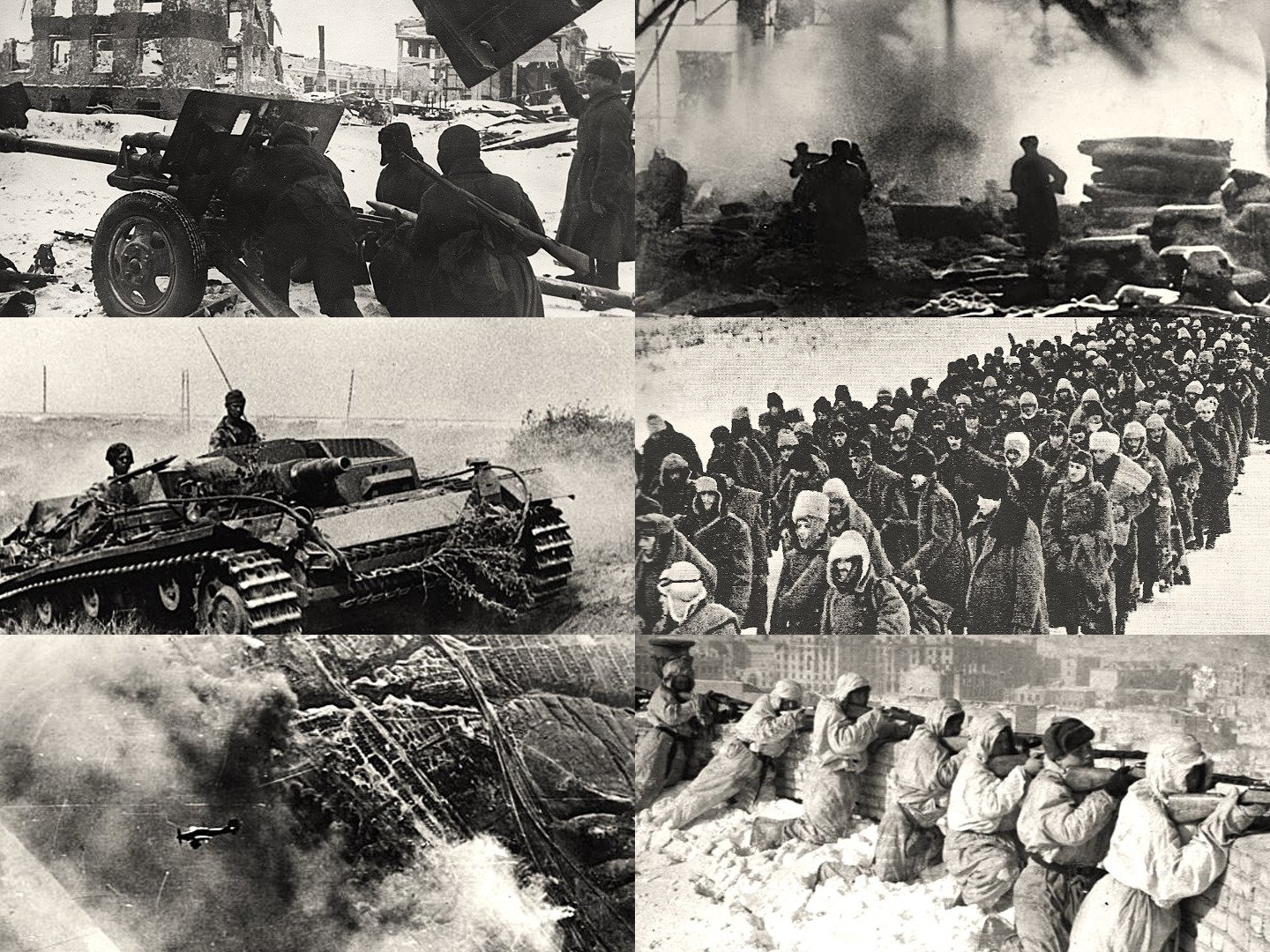
One of the most significant turns of the World War II was the defeating of Germany at the Battle of Stalingrad. It dispelled the myth according to which the German army was indestructible. However, during the battle itself, and, in fact, even in the post-defeat period, Adolf Hitler and the Nazi leadership made their best attempts to conceal the truth among German people. German Defeat at Stalingrad
The defeat was not only a military fiasco. Nazi Germany also had a huge propaganda issue.
The Reality of the Defeat
The war started in August 1942 with the Germans assaulting the Soviet city of Stalingrad. It was a significant city and was named after the leader of the Soviet and was called Joseph Stalin.
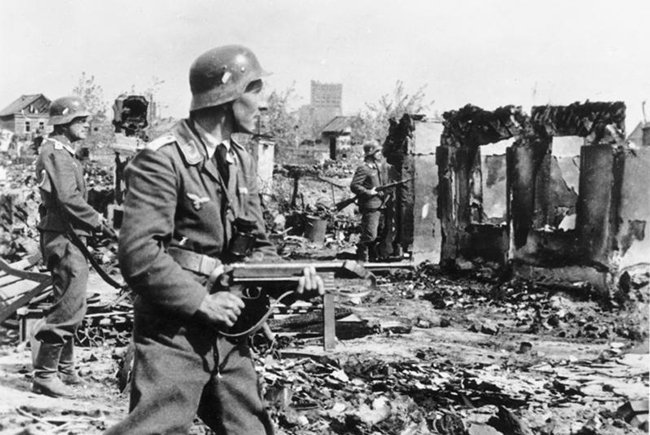
Initially German forces appeared to be at the verge of victory. Soviet soldiers were not ready to surrender the city. The fight had developed into a brutal close fight block by block, house by house.
The Soviets took a tremendous counter attack in November 1942 known as operation Uranus. The German Sixth Army under Friedrich Paulus was besieged with this attack. German Defeat at Stalingrad
Approximately 300,000 of the German and Axis troops were besieged in the city.
In February 1943, the German army had surrendered within Stalingrad.
The Nazi Propaganda to the German People.
Within Germany, the government was not quick to acknowledge the extent to which the situation was bad. Joseph Goebbels controlled the Nazi propaganda.
Initially, reports carried by the newspapers and radio stated that German soldiers had continued to fight in gallant formations and occupying their positions. The citizens were informed that the soldiers were the hero who were saving Europe against the Soviet Union. German Defeat at Stalingrad
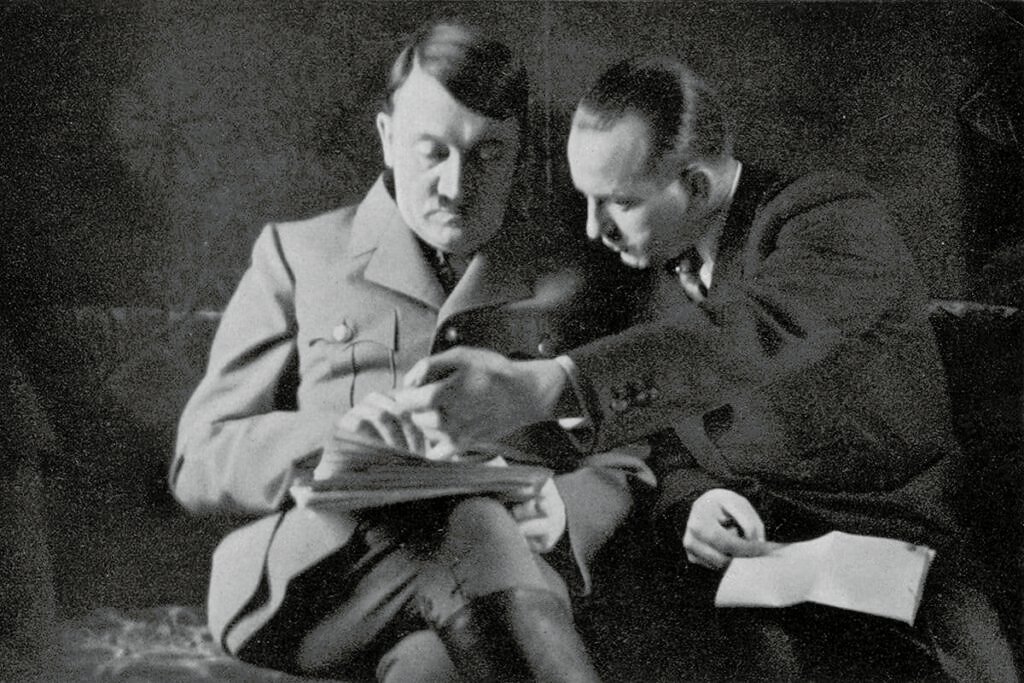
The actual magnitude of the tragedy was concealed.
Numerous families in Germany had their relatives in combat at Stalingrad. However, in place of definite information, they got ambiguous messages or no news whatsoever. German Defeat at Stalingrad
The Hidden Scale of the Loss
The number of soldiers lost was one of the largest things that Nazis attempted to conceal.
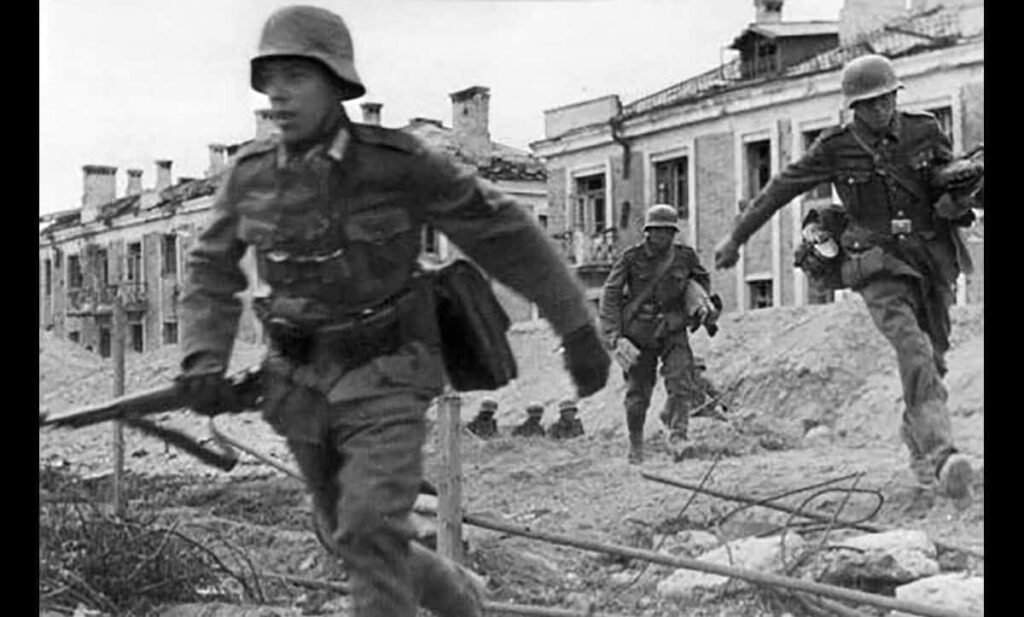
The battle left more than 90,000 German soldiers in the hands of the enemy. Then hundreds of thousands more had been killed, wounded, or frozen in the combat.
Letters written by soldiers abruptly stopped to come to many German families.
The Nazi government never discussed the loss in detail; it took time to announce the defeat and never talked about the entire defeat.
It was the Refusal to Admit Defeat by Hitler.
Hitler contributed significantly to concealment of the truth. He never gave General Paulus permission to withdraw even the time when the Sixth Army was besieged. German Defeat at Stalingrad
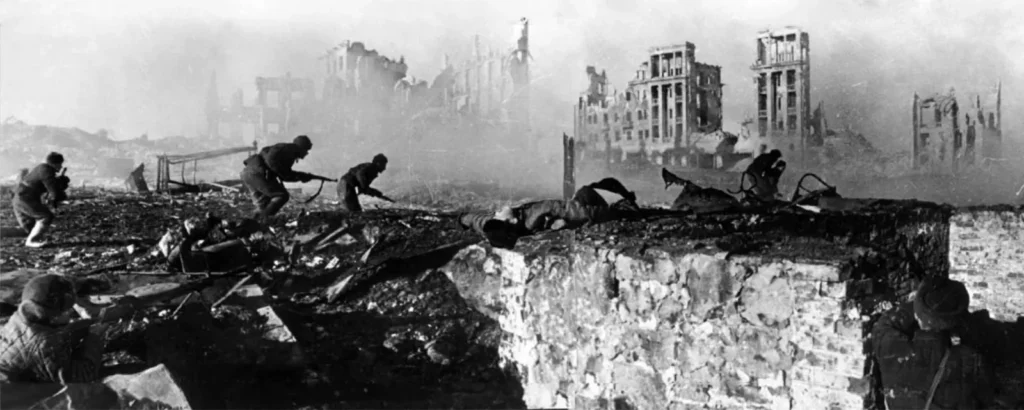
Hitler was of the view that the army would be able to defend the city until the German troops were able to smash the Soviet encirclement. He also argued that, the trapped soldiers could be supplied by air. German Defeat at Stalingrad
In reality, this plan failed. The German air force was not able to provide sufficient food, fuel and ammunition.
Thousands of troops started to starve and freeze in the city rubble.
This information was never disclosed to the masses in Germany during that period.
These were known as the Propaganda After the Surrender.
The Nazi government had no option other than to announce the surrender when it finally took place in February 1943.
Nonetheless, at that time the message was very much controlled.
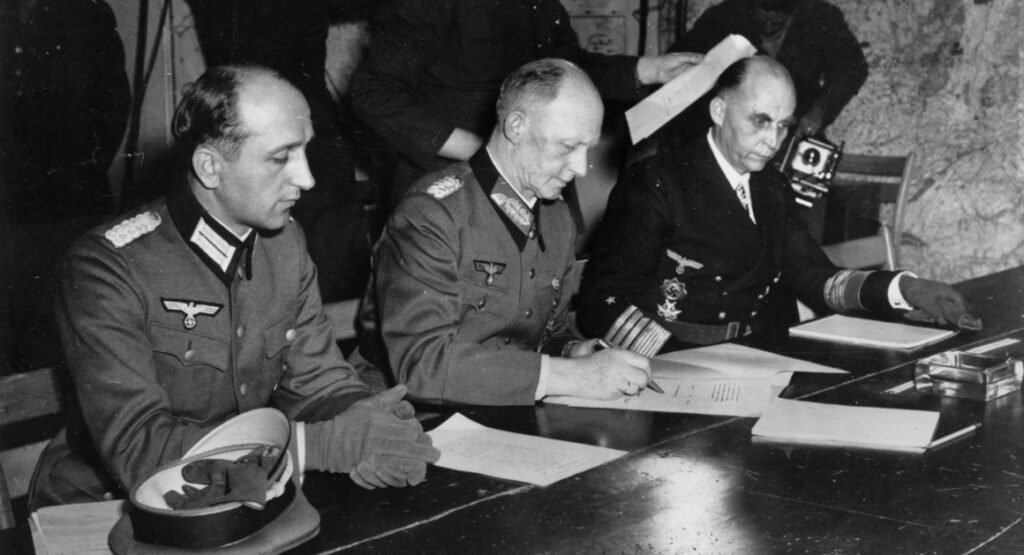
Rather than a catastrophic loss, the propaganda referred to the soldiers of the Sixth Army as being heroes who fought to the last.
The defeat was put as a heroic sacrifice instead of a military defeat.
This message was to save the morale within Germany and retain support towards the war. German Defeat at Stalingrad
The Homicide Sacrifice Narrative.
Nazi propaganda attempted to make the tragedy a tale of heroism.
Radio speeches and newspapers told that the soldiers in Stalingrad fought so bravely when they were against excessive odds. The loss was staged as being an indication of their devotion and sacrifice to Germany.
The purpose was just that the people should not panic and their faith in the war effort should not be lost.
But gradually numbers of Germans were beginning to realize that something indeed had gone terribly wrong.
The Shock Inside Germany
The loss of Stalingrad startled the German people when the truth started to disseminate gradually.
The Nazi government had been promising victory after victory over the years. The army had managed to conquer nations in Europe on a very short time. German Defeat at Stalingrad
Stalingrad demonstrated though that Germany was capable of being beaten.
It is believed by many historians that this was the moment when the ordinary Germans started to question the possibility of winning the war. German Defeat at Stalingrad
A Pivot of the Second World War.
The defeat in Stalingrad was not only a defeat of a city. It turned the course of the whole war.
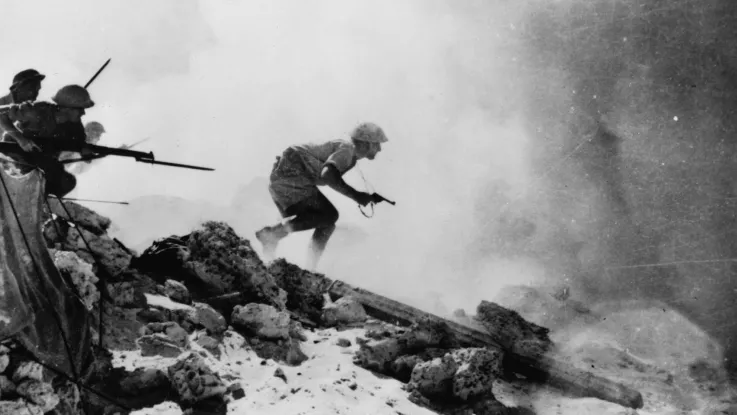
Following Stalingrad, the Soviet Union started to retreat German troops in Eastern Europe.
Germany did not regain fully the soldiers, equipment and morale.
The fight turned out to be a symbol of the time when the Nazi growth started to crumble.
Why the Truth Was Hidden
Nazi Germany concealed the actual truth regarding Stalingrad due to a number of reasons:
To protect public morale
Leaders were afraid that people will lose hope when they get to know how big the disaster is.
To protect Hitler’s image
The army was holding onto the city under the orders of Hitler himself.
In order to continue to support the war.
Civilians had to go on with their jobs in factories and assist in the military.
Information was controlled through the use of propaganda to create ways with which people comprehended the battle.