In WW2, General Eisenhower Lost a Bet and Had to Give General Montgomery His Own B-17. Eisenhower lost a bet B-17
Eisenhower lost a bet B-17
The history of the World War II is usually filled with stories of huge battles, military genius, and decisions that have changed the world. However, battlefields are not the source of some of the most interesting stories, and the personal intercourse of legendary leaders. A story like this was the spectacular incident when General Dwight D. Eisenhower bet him wrong and General Montgomery was allowed to take possession of the personal B-17 Flying Fortress of General Eisenhower. Eisenhower lost a bet B-17
The notion of gambling a heavy bomber appears to be nearly ludicrous at first. Nevertheless, this anecdote tells a lot about the Allied leadership, camaraderie, and personalities under uniforms. Having Eisenhower lose a bet B-17 is not just an amusing story, but also a historical one as it illuminates how much trust, competition and humor there was among commanding heights of the army during the WWII. Eisenhower lost a bet B-17
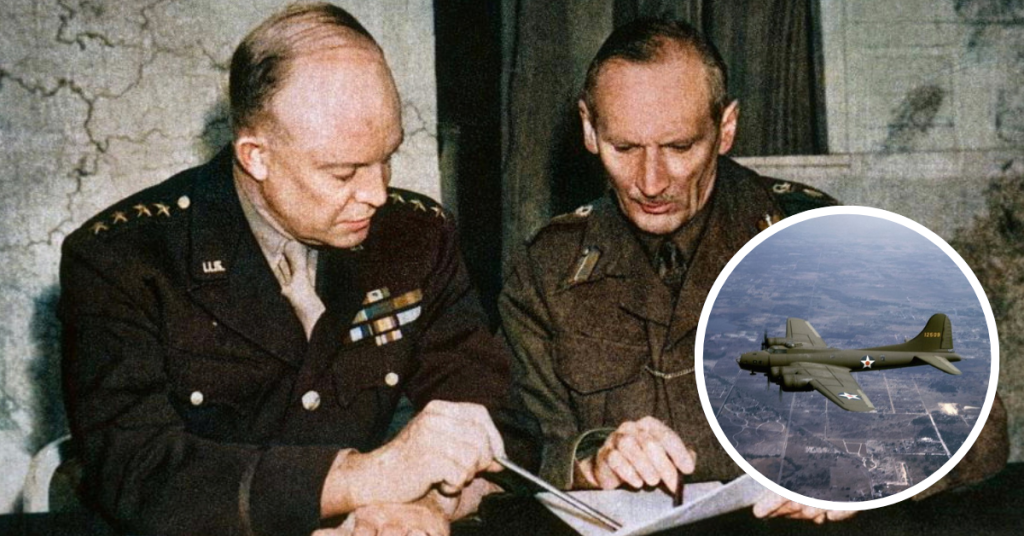
The World War II Allied Command Relationship.
The Allied war effort relied on the collaboration with the leaders of nations and cultures as well as military traditions. Two titans in the center of such a coalition were American General Dwight D. Eisenhower and British Field Marshal Bernard “Monty” Montgomery.
At the same time, Eisenhower was the Supreme Allied Commander in Europe, which coordinated forces of Americans, British, Canadian and Free French. Montgomery, who was one of the most renowned generals in British history, led some of the most influential ground troops and facilitated most of the campaigns between North Africa and northwest Europe. Eisenhower lost a bet B-17
They were colleagues, or at times rivals, professional, respectful, and sometimes tense, yet mutual moments of good humour, inter-personal relationship kept the cooperation going during an overwhelming pressure.
Who Was Dwight D. Eisenhower?
Dwight D. Eisenhower was an ordinary person who made his way to the status of one of the greatest military leaders of all times. Eisenhower was known to be calm and very much organized and was effective when leading large and multinational forces instead of leading armies in the battlefield.
His greatest strength in the World War II was coordination: he had to balance such strong personalities as George S. Patton and Bernard Montgomery, and at the same time, he had to keep the Allied nations united. The leadership style of Eisenhower had focused on diplomacy, delegation and strategy control, which were instrumental in the success of the Allies. Eisenhower lost a bet B-17
Who Was Bernard Montgomery?
Bernard law Montgomery was almost the anti-Eisenhower. Where Eisenhower was courteous and conciliatory, Montgomery was vocal, burstingly self confident and was highly controversial. He was a firm believer in extensive preparations and massive superiority prior to an assault.
The victories of battlefields led by Montgomery in North Africa made him well known and admired back in Britain. But his terse way occasionally tested the cord of ties with other Allied commanders and his relationship with Eisenhower particularly in this regard, is curious. Eisenhower lost a bet B-17
The B-17 Flying Fortress: The Symbol of the Allied Might.
In order to comprehend the reasons why this bet was so exceptional, it should be valued that the B-17 Flying Fortress is so significant. Eisenhower lost a bet B-17
B-17 was a 4 engine heavy bomber that became the symbol of the American air power in Europe. It was costly, complicated, and very crucial to the Allied strategic bombing effort. Alone, every airplane needed a professional crew, massive servicing, and a lot of logistic operations. Eisenhower lost a bet B-17
Gifting a B-17 was not something minor, it was a huge military property. The even more amazing thing about the story of how Eisenhower lost a bet B-17 is the way in which the latter lost it.
How the Bet Came About
The precise specifics of the bet are somewhat lost to history, although there is a general consensus on the essence of the bet across several historical narratives. In the Allied campaign in Europe, Eisenhower and Montgomery bet each other over the results of operations or performance in a campaign.
These bets were not an exception among senior officers. They were morale stimulants and statements of confidence and not gambling dice. Here Eisenhower bet a personal plane a B-17 against what Montgomery had said. Eisenhower lost a bet B-17
Montgomery won.
Eisenhower kept the word as he was true to his character and honor.
The Reaction of losing the bet by Eisenhower.
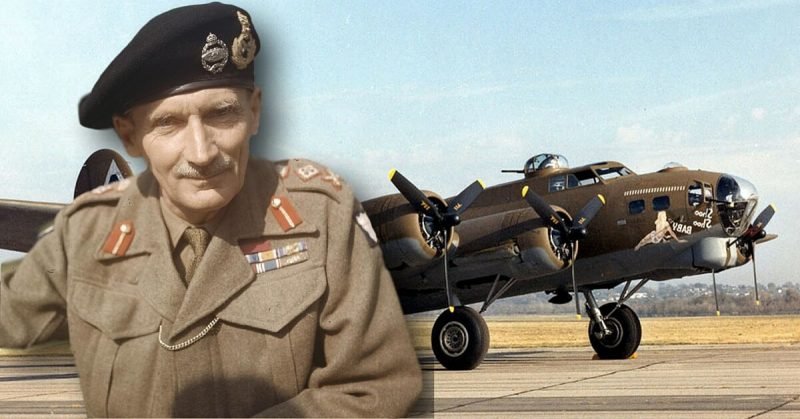
Instead of arguing about the result or placing the loss in a minor context, Eisenhower took defeat in stride. He also had a B-17 Flying Fortress transferred to the city of Montgomery, which was reportedly modified and adapted to the personal use of Montgomery in travelling.
This action proved the integrity and style of leadership of Eisenhower. Honoring commitments was very important in the culture of the military then more so among the senior commanders whose powers were based on trust and credibility. Eisenhower lost a bet B-17
The incident also strengthened the personal relationship of Eisenhower and Montgomery, despite the reasons of strategy.
Montgomery’s Use of the B-17
Montgomery did not make the aircraft a trophy. Rather, B-17 was turned into a handy device, an aid to transport and command mobility. In the case of Montgomery, the bomber was a representation of Allied collaboration, as well as his belief in triumph.
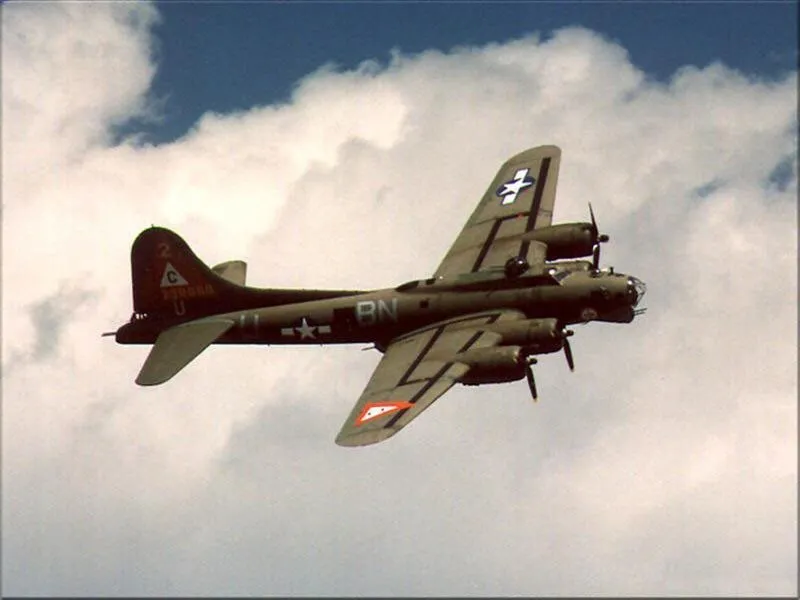
The planes also emerged as an eye-catching symbol of Anglo American alliance, which cemented unity within armies and leaders as well.
What the Bet Meants To More Than Humor.
The story is widely known and re told as a light hearted anecdote though there was more to it.
First, it showed faith among the leaders of the Allies. Eisenhower sacrificed an aircraft that was of great value, which demonstrated that his ego was second to the unity of the alliance. Eisenhower lost a bet B-17
Second, it showed the extent to which morale and camaraderie were kept on the highest level. Good humor and amicable competition alleviated the mental strain of command in a most remarkable strain of warfare.
Lastly, the episode gives life to two people whose personas are usually depicted as remote deities. Tales such as these are a reminder that the most prominent leaders in history joked, bet, and personalised in their moments. Eisenhower lost a bet B-17
Good-natured Competition between Generals of the Allies.
The WWII allied command was reeking with strong personalities. Eisenhower had to make use of rival egos, national interests as well as strategic visions. That environment was characterized by friendly rivalries, such as the one that saw Eisenhower lose a bet B-17.
Instead of undermining unity, these moments tended to strengthen it since it developed mutual respect. These interactions were possible due to the leadership of Eisenhower without compromising the bigger mission.
On Display, the Leadership Philosophy of Eisenhower.
This episode is an indication of some of the main points of Eisenhower as a leader:
Integrity: He did not hesitate to keep the bet.
Humility: He gracefully had to accept loss.
Diplomacy: He employed personal gestures to build up alliances.
Confidence: He was sure that one plane was nothing in comparison to the unity of Allies.
These qualities proved to be useful later on when he became a President of the United States and coalition-building was at the core of his leadership. Eisenhower lost a bet B-17
The Historical location of the Story in the history of WWII.
Although the bet did not change the direction of the war, it still remains in the memory of history since it includes something that is fundamental about the culture of leadership in the Allied camp.
The World War II could not have been won only through weapons and strategies but through relations, trust and national cooperation. This example of Eisenhower losing a bet B-17 explains how personal integrity and humor contributed to maintaining the same level of cooperation. Eisenhower lost a bet B-17
Myths, Fact and Accuracy of History.
There has been a certain embellishment over the years as is the case with most of the anecdotes of war. But there is legitimate historical evidence that Eisenhower in fact offered Montgomery a B-17 following a bet.
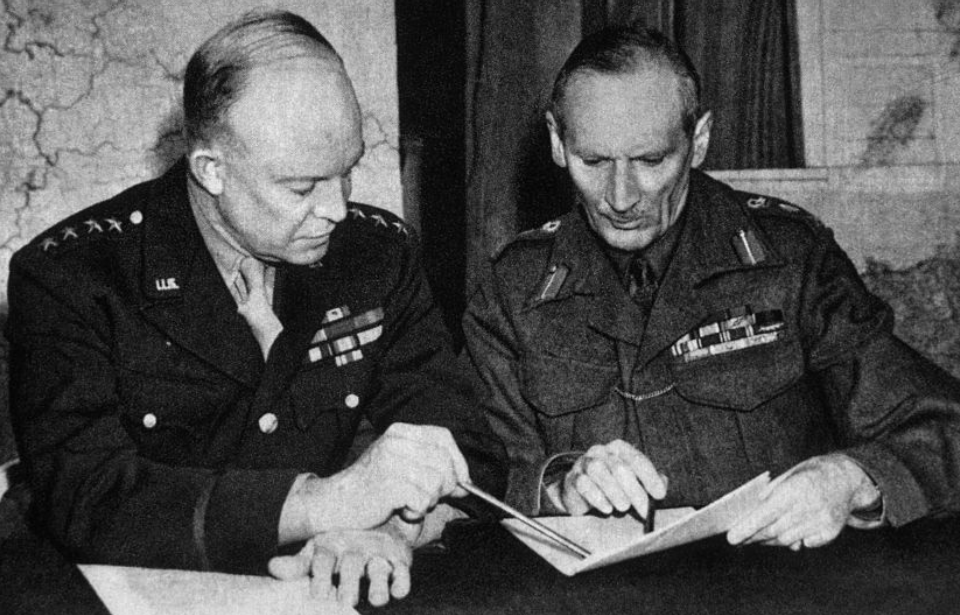
The most important thing is not all the technicalities, but what the story as a whole tells us concerning leadership dynamics in the context of WWII.
Why This Story Stands the Test of Time.
Contemporaries are attracted to those stories in which historical persons are humanized. It is in a time when leaders are much more perceived through a strict meaning that stories such as this can serve to remind us that even those leading millions of troops were humans. Eisenhower lost a bet B-17
The episode also has eternal leadership teachings: keep words, cherish relationships, and never underestimate the influence of goodwill.
Conclusion
In WW2, General Eisenhower Lost a Bet and Had to Give General Montgomery His Own B-17 is one of the most famous and telling stories of the World War II leadership. Eisenhower lost a bet B-17
Not a mere laugh line, it represents confidence, honesty, and friendship at the very top of command. The manner in which Eisenhower came to fulfill a friendly bet even sacrificing a precious bomber, is an indication of the kind of man who would be a successful Supreme Allied Commander and, subsequently a highly regarded President.