Eisenhower lost bet B-17. Dwight D. Eisenhower Lost a Bet to Bernard Montgomery and Had to Pony Up a B-17 Flying Fortress
Eisenhower lost bet B-17
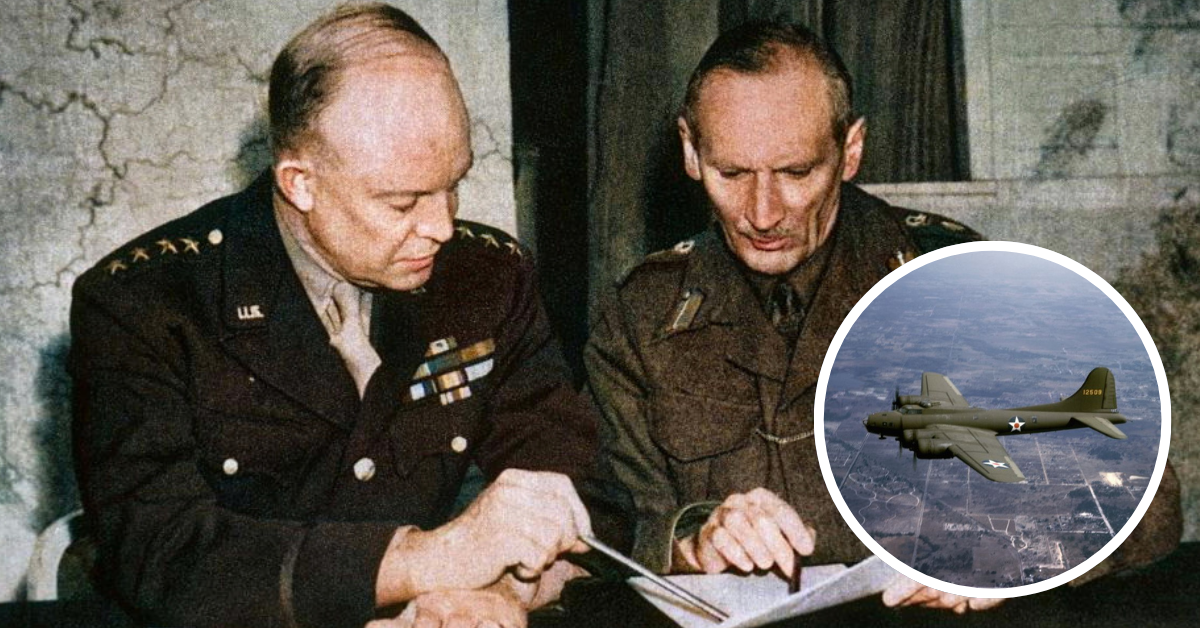
Unexpected events fill the history that brings to light the personal aspect of the prominent leaders. An example of such an anecdote is the case of General Dwight D. Eisenhower, Supreme Allied Commander, World War II, and the British Field Marshal Bernard Monty Montgomery. Alongside their brilliance in strategizing and leadership in the battlefield, the two military legends were also recognized with their comradeship- and at times good-natured bets. Surprisingly, at one point Eisenhower bet Montgomery and had to pay up a B-17 Flying Fortress which was at the time one of the mightiest planes of the war in terms of bombing power. This is a light-hearted story about the leadership of the Allies, which also brings an insight into the personality behind the historic decisions of World War II. Eisenhower lost bet B-17
The Unsurpassed Gamble of Eisenhower and Montgomery.
The Allied command during the World War II was a complex webbing of the leaders of various nations who had their own personalities, habits, and rivalries. Whereas Eisenhower, a five-star American general, and Montgomery, a British Field Marshal, mutually respected each other, at other times their rapport was marked by healthy rivalry. Eisenhower lost bet B-17
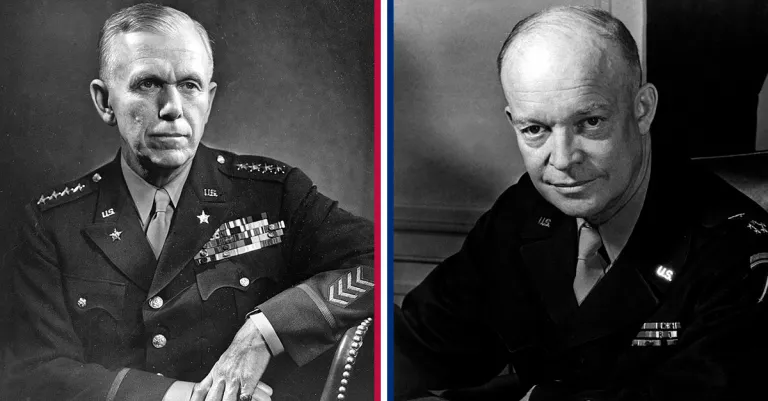
The finer points of the bet are somewhat lost in history, but it is said to have been done at the time of making plans and carrying out the European campaign. Leaders also used to gamble on military operations both as a form of light-heartedness and as a test of confidence. Disciplined but sociable in his leadership style, Eisenhower took up the challenge by Montgomery and it finally led to the unexpected defeat that made him lose a B-17 Flying Fortress.
Who Monty Montgomery, Who Was Monty?
Bernard Law Montgomery was among the most renowned military leaders in Britain in the course of the World War II. Montgomery was a careful planner and demanded careful planning and preparation thus winning over North Africa with his British Eighth Army and contributed significantly to the liberation of Europe. His character was in contrast to the more diplomatic and coalition-oriented one of Eisenhower, so their interactions were effective and sometimes rather competitive. Eisenhower lost bet B-17
Montgomery was fond of daring sayings and wagering, by which he frequently liked to inspire his troops and also his commanders. The bet with Eisenhower is a good example of the lighter side of Monty, and it shows how humor and camaraderie could be used even in the tense state of global warfare in military leadership.
The Allied Airpower of the B-17 Flying Fortress.
B-17 Flying Fortress was an American heavy bomber that was famous due to durability, firepower and it was capable of withstanding heavy damages as it accomplished missions. Coming into service in the late 1930s, the B-17 was a symbol of an Allied air power in the European Front, performing strategic bombing operations against the German industrial and military targets.
It was not a simple thing to pony up a B-17 as Eisenhower did. Every airplane was a great investment and its costs involved the production, crew training, and maintenance. It was a personal bet as well which is why it is important to focus on the stakes as well as the good nature of the Allied leadership which was playful and human. Eisenhower lost bet B-17
The Nature of the Bet
Although historical references differ, though, it is generally accepted that the betting was based on the speculations regarding military activities or the success of some strategic moves. There have been reports which claim that Eisenhower bet on the achievement of a certain Allied movement, and others that it was based on Montgomery’s belief in his soldiers. Eisenhower lost bet B-17
Losing the wager to Montgomery was not only a personal humiliation, but it was a sign of trust and trustworthiness of each other between the leaders of the Allies. The fact that Eisenhower was able to stick and deliver a B-17 Flying Fortress can be seen as a nod to the honor-based culture of military leadership, in which, a promise or a bet, a friendly one at that, had some degree of weight.
Eisenhower Leadership Style and Personality.
Eisenhower was attributed to the combination of power and likeability. Compared to the relationships between some military leaders that were entirely professional and official, the relationships between Eisenhower and their subordinates were rather professional yet personally touching. This bet is a demonstration of his readiness to go human to peers through humor and informal competition to enhance alliances and morale. Eisenhower lost bet B-17
Even in the role of Supreme Commander, Eisenhower was able to engage in such little but significant interactions, showing him to believe that leadership was more about relationships than strategy. Allied commanders were strengthened by attaching a B-17 Flying Fortress on Montgomery.
Montgomery Reacts to Winning the B-17.
On his part, Montgomery was said to be pleased with the result and had satisfaction seeing Eisenhower fulfill the bet. But it was not pure fun, it was also an exercise that strengthened the bond between the American and the British commands. The collective effort was needed to achieve the victory of the allies, and even such minor steps contributed to the development of trust and unity between the leaders. Eisenhower lost bet B-17
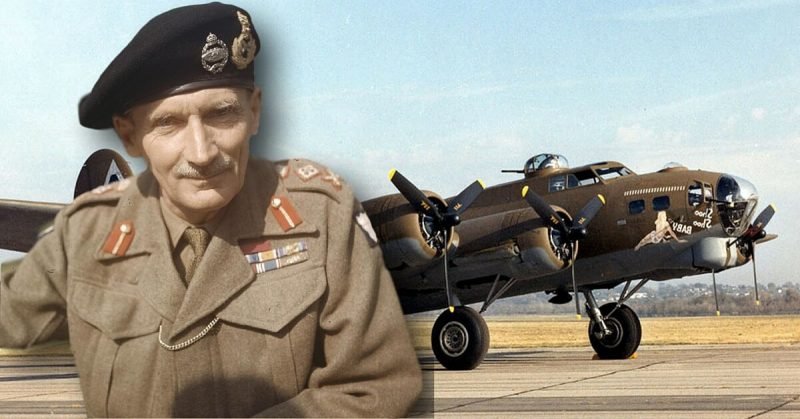
The practical value of the delivery of a B-17 was also advantageous. It was also a symbol of Allied co-operation and had a lift to the morale not only among top officers of armies but also in the military forces which were heavily depending on air support in their operations.
The Strategic Situation of the Bet.
The bet occurred in the context of significant campaigns in Europe by Allies. At the date of bet, the Allies were making preparations of massive operations which would lead to the final decision on the course of the war. Air supremacy and strategic bombing became significant and the B-17 Flying Fortress played its role at the heart of the operations. Eisenhower lost bet B-17
Offering a bomber as a bet can sound lavish, yet what it does indicate is the strategic value of air power, and the confidence that Eisenhower gave to the judgment of Montgomery. These leaders were not simply colleagues, they were decision-makers whose decisions could be felt in the war effort. Eisenhower lost bet B-17
Cultural Effect of Military Bets.
Military leaders would make friendly bets during the world war II. These bets had several roles they led to strategic thinking, strengthened the relationships among commanders, and added the element of humor to the tension of warfare.
The fact that Eisenhower lost a B-17 to Montgomery can serve as a good example to this cultural pattern and provides an idea of how the leaders managed to preserve morale and interpersonal relationship. These mini-biographies bring human beings to a historical otherwise remembered mainly due to his strategic genius, but they serve as a reminder that, in war, personality and friendliness still count.
The betting Eisenhower and Montgomery taught.
Leadership Incorporates Humor: Leaders at the topmost level also enjoyed the humor. It boosted morale and consolidated individual relationships. Eisenhower lost bet B-17
Honor and Integrity Matter: Eisenhower kept his promise despite the great cost and this proves that it is important that one keeps his word in leadership. Eisenhower lost bet B-17
Teamwork Rivalry and Collaboration: Healthy competition was intertwined with strategic partnership, which focused on the harmony between competition and teamwork. Eisenhower lost bet B-17
Making History Personal: It is the anecdotes such as this that help us to make history look like people, those who have personal tastes, preferences, and even quirks. Eisenhower lost bet B-17
The Legacy of the B-17 Story
The myth of Eisenhower losing a bet to Montgomery and delivering one of his B-17 Flying Fortress was a historical anecdote that sums up the human element of military leadership in World War II. Although it is not a key strategic point, it represents the trust, honor and comradeship that is needed by the Allies. Eisenhower lost bet B-17
Historians and military enthusiasts are known to tell this story today in an effort to remember that even during war, there were moments of lightness and connection to humanity that influenced the bonding of leaders and consequently the success of large-scale campaigns. Eisenhower lost bet B-17
Wider Implications of Leadership in the Military.
The story also has general lessons in management. High stakes situations, such as wartime command, have the advantage of instances of personal contact humanizing the interaction and forging allies. One of the examples when interpersonal dynamics can impact morale and cooperation at the top is the bet of Eisenhower with Montgomery. Eisenhower lost bet B-17
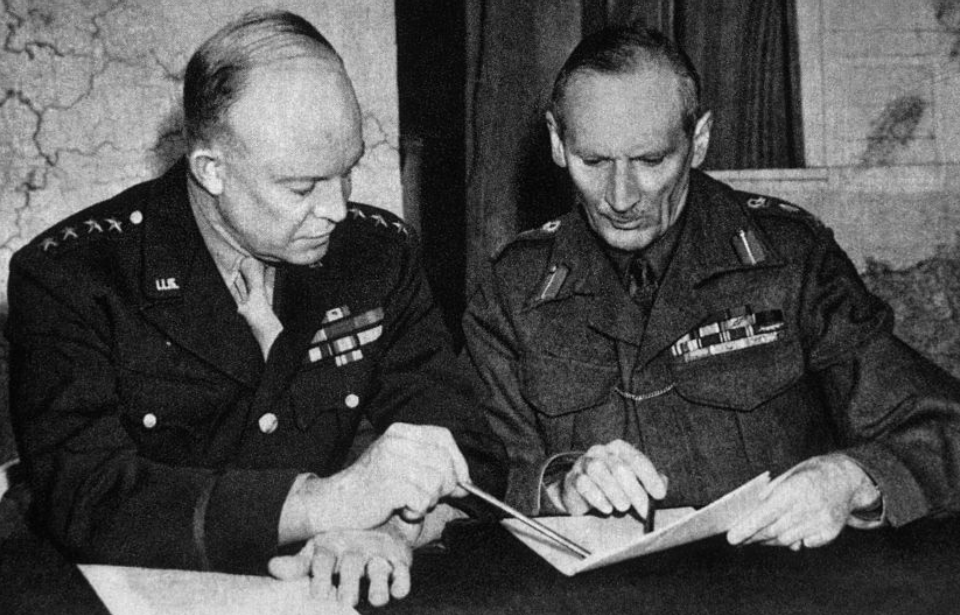
Additionally, it shows how leadership is not merely about strategy and decision making, but also about trust, respect and how to sustain camaraderie when the pressure is on. These attributes played a key role in the success of the Allied operations in World War II.
Eisenhower was Humorous and Approachable.
Eisenhower is seen as a participative leader by the way he took part in the bet. Although he earned vast respect as Supreme Allied Commander, he was still easy to get along with and happy to play the game in a light manner with his colleagues. These are the attributes that made him an effective leader since he could manage the intricate alliances and keep the morale high in one of the most difficult wars in history.
The pleasure of gamut and the wager that Montgomery enjoys also portrays his human aspect, as we are reminded that even the renowned military tacticians could be humorous and even personal. Eisenhower lost bet B-17
Conclusion: A Gamble that Gives the Sign of Leadership and Friendship.
The tale of Dwight D. Eisenhower losing a bet to Bernard Montgomery and paying up a B-17 Flying Fortress is more than a comedy of manners, it is a comment on the personalities, the relationships, and the leadership traits, which brought victory to the Allies in World War II.
The fact that Eisenhower did not refuse to keep the bet shows that he was also integrity-filled and human at the same time that it has been rarely mentioned in historical records about the wartime leaders. The inclusion of Montgomery shows the friendship and the humor that contributed to boosting the morale of the Allies. Combined, this episode serves to remind us that history is not solely shaped by any giant strategy and maneuvers on the battlefield but also by petty, personal relationships that characterize any relationship between leaders.
This narrative is a reminder of how strategy, humor, and human relationship characterized the leadership of Dwight D. Eisenhower and Bernard Montgomery at the time of one of the most momentous times in the history of the modern world.